Understanding the Connection Between Food and Orthodontic Treatment
The journey towards a beautifully aligned smile involves more than simply wearing braces and attending regular appointments. What many patients don’t realise is that their daily food choices play a crucial role in determining how smoothly their orthodontic treatment progresses. The relationship between nutrition and dental alignment is far more intricate than one might initially imagine, with certain foods serving as allies in the quest for straighter teeth, whilst others can become formidable obstacles.
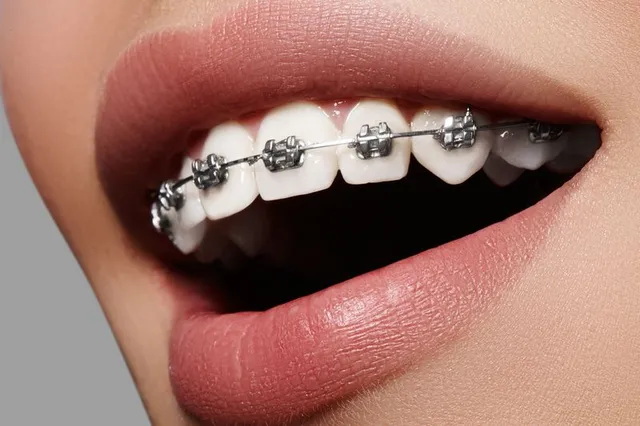
When individuals begin their orthodontic journey with braces Balwyn, practitioners often emphasise that proper nutrition becomes paramount, not only for maintaining oral health but also for ensuring that the treatment achieves its intended results within the anticipated timeframe. The mechanical forces applied by braces require adequate nutritional support to facilitate the bone remodelling process that allows teeth to move into their new positions.
The Science Behind Tooth Movement and Nutritional Requirements
Orthodontic treatment relies on a fascinating biological process called bone remodelling, where constant pressure from braces gradually encourages teeth to shift position. This process demands specific nutrients to function optimally, making dietary choices particularly significant during treatment. Calcium, phosphorus, and vitamin D work together to maintain bone density and support the structural changes occurring within the jaw.
Protein plays an equally important role in this process, as it provides the building blocks for new tissue formation and helps maintain the health of the periodontal ligaments that anchor teeth to the jawbone. Without adequate protein intake, the body may struggle to adapt to the changes initiated by orthodontic appliances, potentially prolonging treatment duration or compromising results.
Essential Nutrients for Orthodontic Success
Several key nutrients deserve particular attention during orthodontic treatment. Vitamin C supports collagen production, which is vital for healthy gums and the connective tissues surrounding teeth. Meanwhile, vitamin K assists in proper calcium utilisation, ensuring that this mineral reaches the areas where bone remodelling is most active. Comprehensive guidance on suitable foods during orthodontic treatment can help patients make informed choices that support their treatment goals.
Foods That Support Orthodontic Progress
Selecting appropriate foods during orthodontic treatment requires careful consideration of both nutritional value and physical properties. Soft, nutrient-dense options prove particularly beneficial, as they provide essential vitamins and minerals without placing undue stress on brackets and wires. Dairy products such as yoghurt, cheese, and milk offer abundant calcium and protein whilst remaining gentle on orthodontic appliances.
Cooked vegetables present an excellent opportunity to incorporate vital nutrients without compromising treatment hardware. Steamed broccoli, carrots, and leafy greens deliver vitamins A, C, and K alongside folate, which supports tissue repair and maintenance. Similarly, soft fruits like bananas, berries, and well-ripened pears provide natural sugars, fibre, and antioxidants that promote overall oral health.
Navigating Dietary Restrictions During Treatment
Understanding which foods to avoid becomes equally important as identifying beneficial options. Hard, sticky, or overly chewy substances can damage orthodontic hardware, leading to treatment delays and additional appointments. Discovering nutritious alternatives to problematic foods helps patients maintain variety in their diet whilst protecting their investment in orthodontic care.
Crunchy items such as raw apples, nuts, and crusty bread require modification rather than complete elimination. Slicing apples into thin pieces or choosing nut butters instead of whole nuts allows patients to enjoy familiar flavours without risking damage to their braces. Similarly, softer bread varieties can satisfy cravings whilst remaining orthodontically friendly.
Maintaining Nutritional Balance Throughout Treatment
The duration of orthodontic treatment, which typically spans eighteen months to three years, necessitates sustainable dietary adjustments rather than temporary restrictions. Patients who successfully navigate this period often develop creative cooking techniques and discover new favourite foods that align with their treatment requirements. Professional guidance on maintaining optimal nutrition during orthodontic care proves invaluable for those seeking to maximise their treatment outcomes.
Meal planning becomes particularly valuable during this period, allowing individuals to ensure adequate nutrient intake whilst avoiding last-minute food choices that might compromise their progress. Preparing soft, nutritious meals in advance helps maintain consistency and reduces the temptation to consume potentially problematic foods.
Achieving Long-term Success Through Thoughtful Nutrition
The relationship between diet and orthodontic success extends far beyond the active treatment period. Establishing healthy eating habits during orthodontic care creates a foundation for lifelong oral health, ensuring that the investment in straighter teeth continues to pay dividends long after the braces are removed.
Any surgical or invasive procedure carries risks. Before proceeding, you should seek a second opinion from an appropriately qualified health practitioner.
About the Author